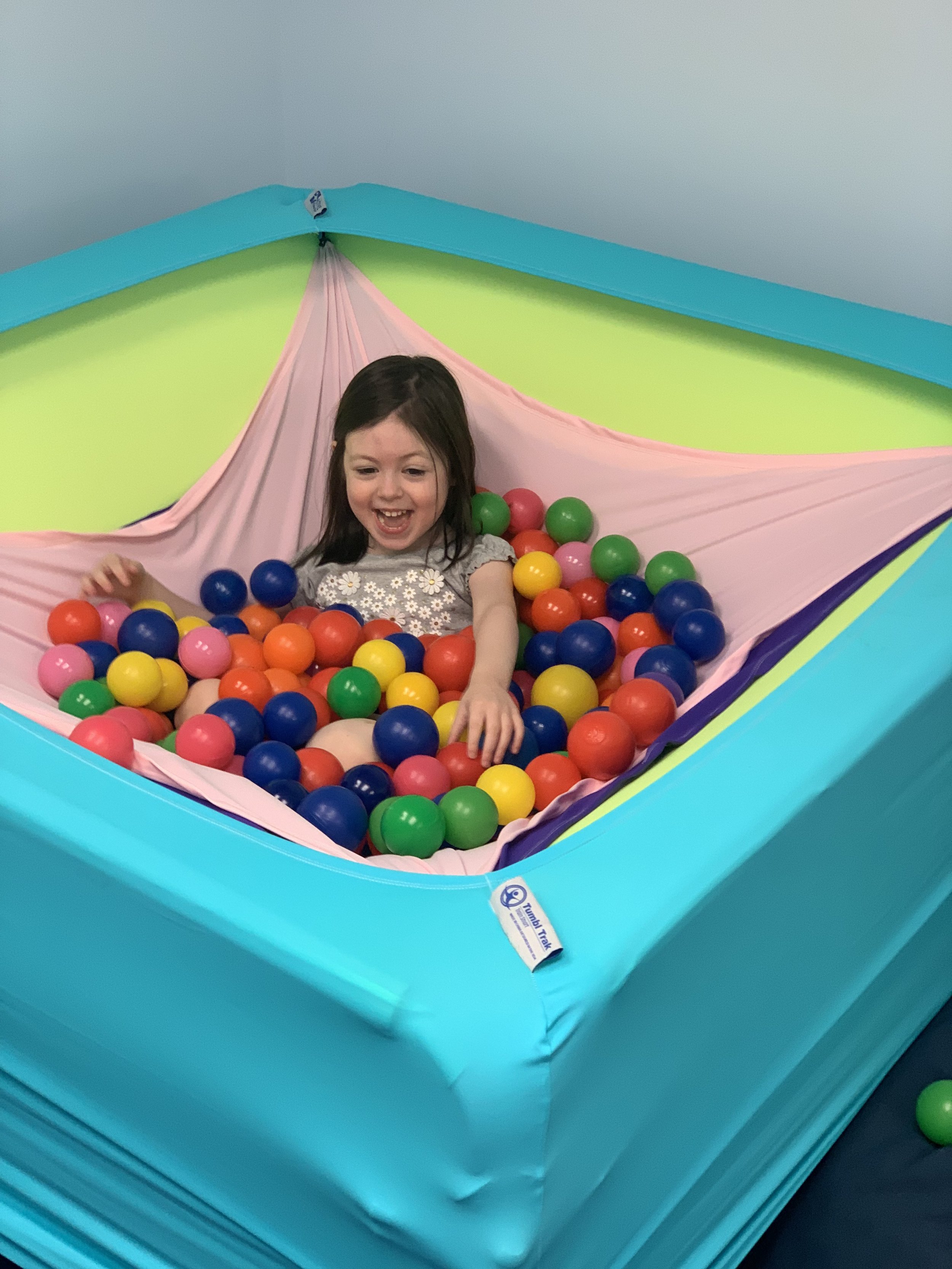

INTENSIVES
Intensive pediatric occupational therapy programs offer concentrated, frequent sessions to help kids with developmental, physical, or cognitive challenges make significant gains in a shorter time.
Key features of intensive pediatric occupational therapy:
Frequent and focused sessions:Intensive programs typically involve more frequent therapy sessions, every day for 5-10 days, allowing for a more concentrated approach to skill development.
Personalized plans:Therapists work closely with families to create individualized plans that address specific challenges and goals.
Parent training: Includes family training to help parents support their child's progress at home.
Accelerated progress: Intensive therapy can help children reach goals faster than traditional therapy.
Jump Start or Tune Up: Intensive sessions can be used to "jump-start" progress for new clients or as a "tune-up" for returning patients.
Diverse diagnoses: Intensive therapy can be beneficial for children with a variety of conditions, such as autism, developmental delays, and genetic syndromes.


Benefits of intensive therapy:
Significant progress in a short timeframe: Children may make more progress in a few intensive sessions than in a longer period of traditional therapy.
Improved functional skills: Intensive therapy can help children develop skills needed for everyday tasks, such as fine motor skills, sensory processing, self-care, and play.
Increased independence: By improving strength, coordination, and balance, intensive therapy can help children move and function more independently.
Enhanced self-esteem and confidence: Achieving goals through intensive therapy can boost a child's self-esteem and confidence. Frequently Asked Questions How is an intensive different from weekly therapy? Traditional therapy typically occurs once per week. An intensive provides therapy daily (or near daily) over a short, structured timeframe. The increased frequency allows skills to build upon one another without long gaps, which can lead to faster integration and stronger carryover.

Who is a good candidate for an intensive?
An intensive may be a good fit if your child:
Is plateauing in weekly therapy
Needs a boost before a transition (new school year, camp, sports season)
Struggles with regulation, coordination, or attention
Is beginning a sound-based listening program
Has made progress but would benefit from a focused “push”
We always determine appropriateness on a case-by-case basis. What does a typical intensive schedule look like?
Most of our intensives include:
1–2 hours per day
Approximately 10–14 consecutive treatment days
A personalized plan targeting specific goals
Parent education and strategy development
A follow-up plan for continued progress
Some programs, such as listening-based interventions, may be completed in cycles with structured breaks for consolidation.
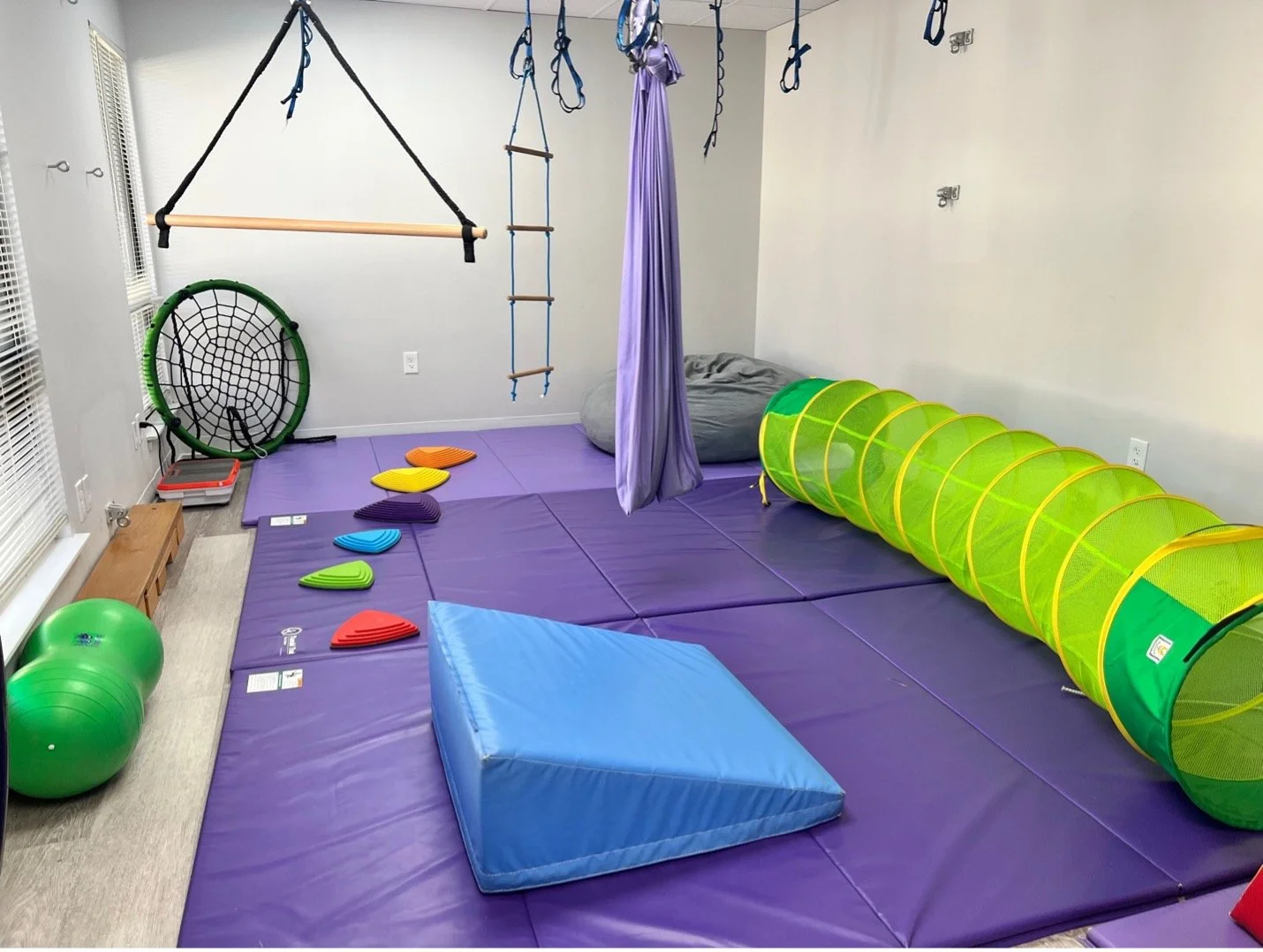

Will my child get overwhelmed with daily therapy?
Our sessions are intentionally structured to support regulation, engagement, and success. We closely monitor your child’s stamina and adjust the pace as needed. The goal is productive challenge — not overload. Many children actually thrive with the consistency and rhythm of daily sessions.
What areas can intensives address? Intensives may target:
Low Level Light Therapy or Transcranial Photobiomodulation
Sensory processing and regulation
Fine and gross motor coordination
Reflex integration
Postural strength and endurance
Motor planning and praxis
Feeding skills
DIR/Floortime developmental capacities
Sound-based listening programs
Each program is individualized.

How quickly will we see progress? Every child is different. However, because intensives provide consistent and repetitive input, families often notice meaningful changes during or shortly after the program. Progress may show up as:
Improved regulation
Increased coordination
Better attention , Greater confidence
Stronger participation in daily routines
What happens after the intensive ends? At the completion of the program, we provide:
A summary of progress
Recommendations for home strategies
Guidance on whether to continue with weekly therapy, another intensive cycle, or a short break for consolidation
Our goal is sustainable growth — not just short-term change.